Intermittent Fasting Program 7-Day Plan Easy Recipes, Shopping List, Nutrition Tracker - Specialist Nutrition
Intermittent Fasting Program 7-Day Plan Easy Recipes, Shopping List, Nutrition Tracker - Specialist Nutrition
Couldn't load pickup availability
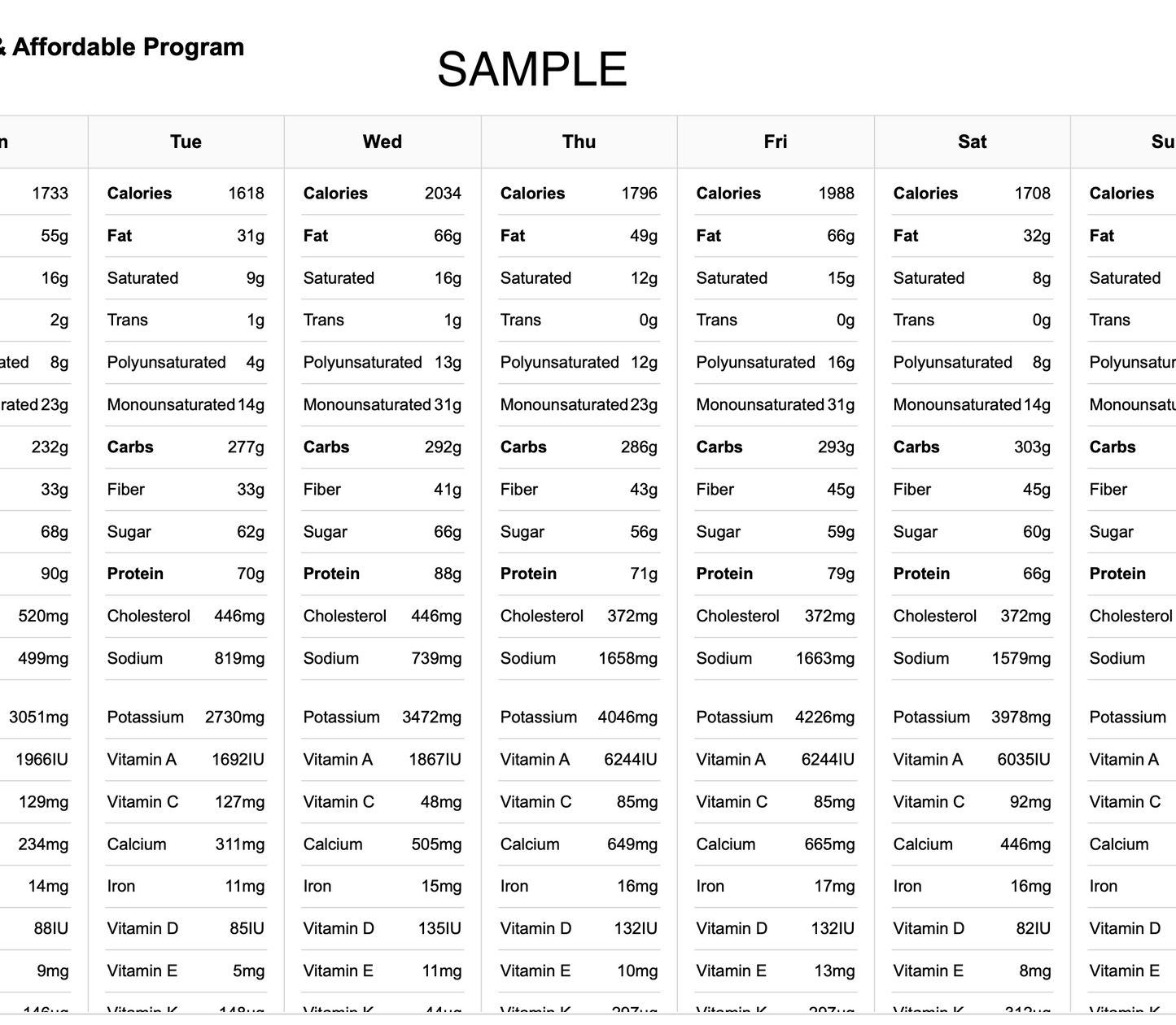
Intermittent Fasting Program
nutritionBAND®
A balanced meal plan for individuals with a restricted eating window.
Our Intermittent Fasting Program provides balanced nutrition without frequent meals and snacks. Calories are
distributed between three meals per day, which are intended to be consumed within a restricted eating window of
approximately six hours.
This program was created with four key considerations:
Energy Needs
Intermittent fasting without caloric restriction can enhance health and cellular resistance to disease. This energy-dense
meal plan helps you reach your calorie requirements within the eating window. It balances a day’s nutrition across three
meals, each ranging from 300 to 800 calories. These meals contain balanced macronutrients. Carbohydrate sources are
paired with healthy fats and protein to create a steady release of energy throughout the day.
Protein
Intermittent fasting can result in weight loss, with some of this coming from muscle. This meal plan provides up to 30%
of your calories from high-quality protein sources to help prevent muscle loss. These complete proteins are highly
digestible and provide an adequate amount of amino acids. Protein is distributed between every meal to help with
building muscle strength and hypertrophy.
Low Glycemic Foods
Eating the proper amount and type of carbohydrate is important during a shorter eating window to help balance insulin
levels. Some research shows that intermittent fasting may not be as beneficial for blood sugar control in women as it is
for men. This is why this program uses low glycemic, high fiber carbohydrates to optimize blood sugars and energy
levels.
Bone Building Nutrients
Fasting has shown to affect parathyroid hormone (PTH) secretion which is beneficial in improving bone health. As PTH is
affected by calcium and phosphorus, this meal plan incorporates calcium-rich foods like cheese, yogurt, and salmon,
and ensures you get good sources of phosphorus found naturally in both animal and vegetable products. Aim to avoid
cola beverages, fast food, and pre-made frozen processed foods as they have phosphate additives which may interfere
with calcium metabolism.
Share